
What do elite athletes and successful startup founders have in common? Both require relentless determination, resilience in the face of setbacks, strategic thinking and an unwavering drive toward ambitious goals.
In this series of articles, we explore these parallels to uncover the mindset shared by world-class sports stars and founders alike.
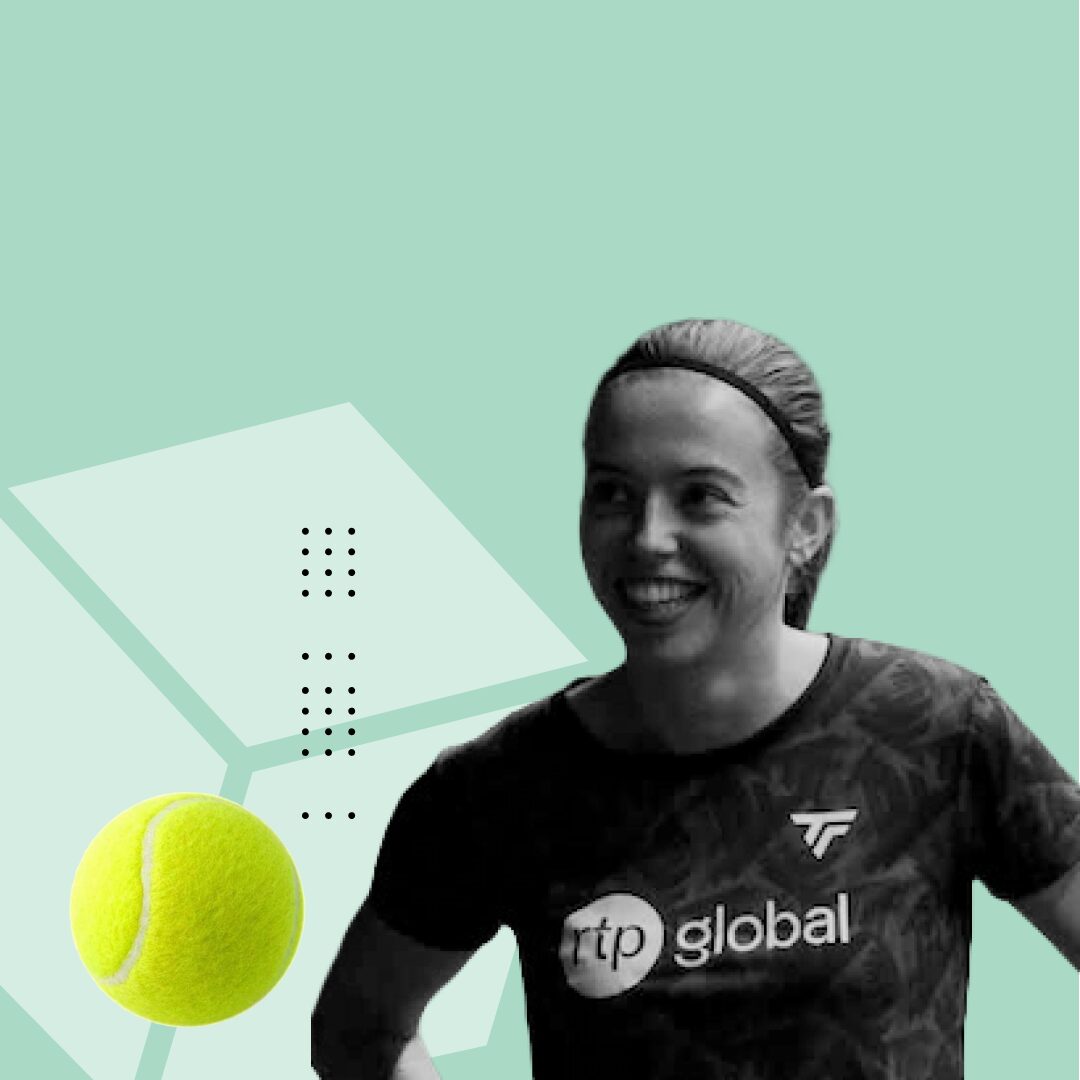
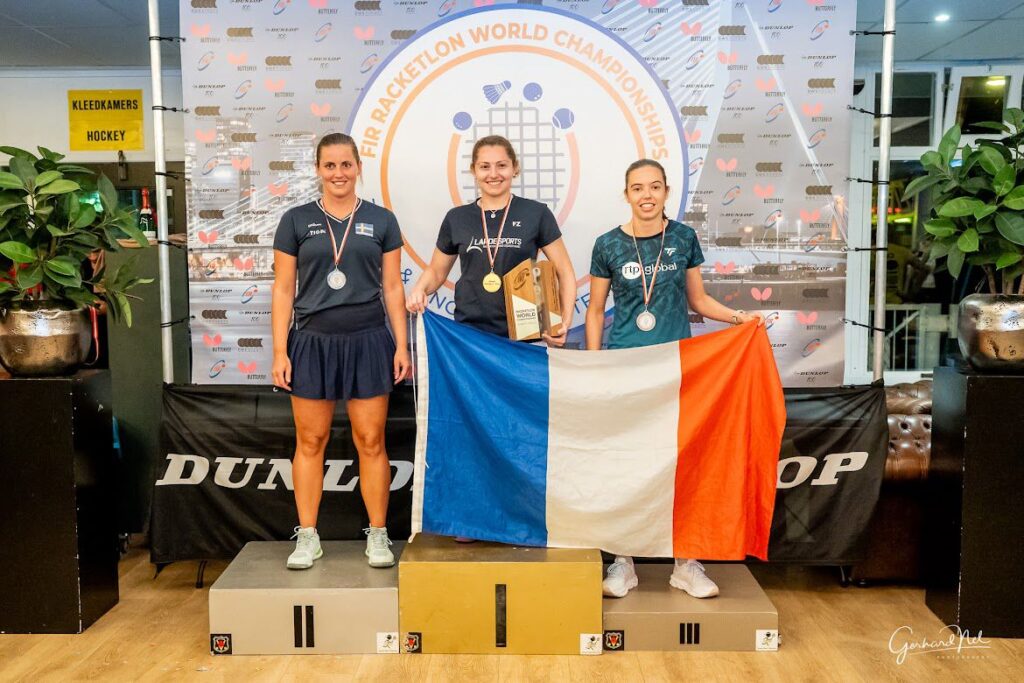
Our first interview is with Pauline Cavé, a former RTP Global team member and international racketlon sensation. Racketlon, a multi-sport competition combining table tennis, badminton, squash and tennis, demands versatility and strategic excellence – qualities also essential for entrepreneurs. In just three years, Pauline has rapidly ascended to the top of her sport, recently winning the German Open and coming third in the World Championships in August 2025.
RTP Global proudly supports Pauline, believing her journey offers valuable insights for founders everywhere.
Pauline, tell us you discovered racketlon?
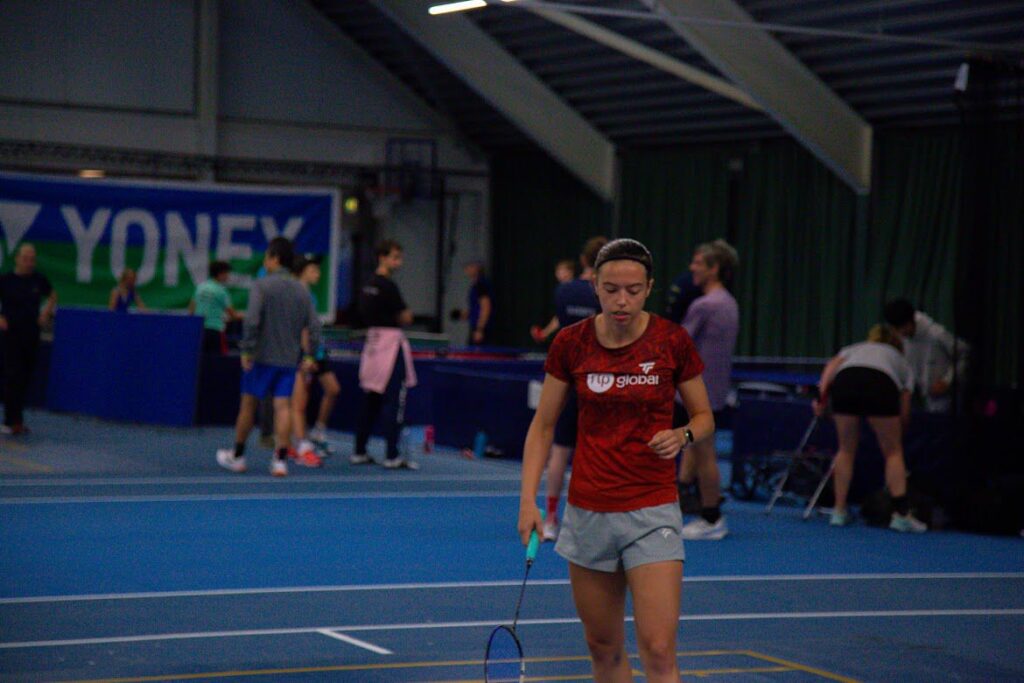
About three years ago, my brother participated in a racketlon tournament – just for fun. I was very intrigued and decided to try it myself. I didn’t do much sport at the time beyond some running and cycling. However, having played tennis for 15 years at a high level, I immediately saw my potential. I enjoyed squash a lot initially, dedicating significant effort there, but soon began training seriously across badminton and table tennis too.
You won the German Open and placed third in the World Championships. What mental and physical qualities helped you achieve this success?
I’m very competitive… I don’t like losing at all. If I’m doing something, I’m giving it 100%. I think having previously competed at a high-level in tennis helped develop my resilience in facing difficulties and challenges. You encounter difficulties and setbacks regularly, but overcoming them drives me. This mentality feels innate to me.
How does that athlete mindset compare to what startup founders need?
In both sports and startups, there are constant ups and downs – injuries, failures, unexpected obstacles. But each time you have to find solutions. It could be, okay, you need to train harder or you need to pivot when it comes to a company. Each and every time, you have to find solutions to compete and to be better than your opponent or than a competitor.
And you need to have a goal that you want to reach in mind. While my goal is becoming a world champion; for a startup founder, maybe it’s achieving an IPO. Both paths require relentless determination – and we do everything we can to reach it.
What major challenges have you faced in your sports career and how did you overcome them?
Initially, my challenge was improving my weaker sports. I was really bad at badminton and table tennis, which required dedication and even harder training. If you trust the process and are very serious, you will see progress.
Another recent challenge was an ankle injury that prevented me from competing in the doubles World Championship. It happened just one day before the tournament. The timing was not good. However, I reminded myself another championship is only a year away, giving me more time to train and a new sense of motivation to return stronger. Similar to startups, I guess. You have a roadmap, you have a business plan and then something doesn’t exactly go as planned. That adaptability is essential.
How do you stay motivated, particularly during setbacks?
Knowing that I’ll have another chance to win helps and it’s essential to keep your long-term objectives in mind. My age and passion reassure me that there are many future opportunities ahead. If I was older or if that was my last opportunity, I think I’d find it a lot harder to remain motivated. But, for now, If I miss one chance, there will be others.
To stay motivated for the long term, you have to genuinely love the daily grind of training. When you train for racketlon, it’s not just about one sport – it’s four! So you need to be focused and love what you do. Without enjoying it, it’s nearly impossible to sustain long-term commitment.
You mentioned that racketlon requires balancing four sports. How do you manage this alongside your career demands?
It’s a strategic balancing act; you can’t give 100% to all four sports. For example, I’m stronger in tennis and squash but weaker in badminton. So strategically, I’ve learned to prioritize my time – investing it smartly to maximize overall performance. I guess this mirrors running a startup, where resource allocation is critical.
But yes, racketlon remains amateur, so I’m constantly balancing training and career demands. Rigor, discipline and meticulous time management are so important.
It’s a lot to juggle so how important is support from coaches and your community?
For sure, support is very important. My coaches play a crucial role because their feedback helps me clearly see my progress, whether it’s over weeks or months. Even if it’s only small progress, that’s still okay – it keeps my morale and motivation high. It’s similar for startups – any progress, whether large or small, reinforces that you’re heading in the right direction.
Beyond coaching, there’s also a strong community in racketlon. Since it’s still quite niche, we frequently see the same group of players at tournaments around the world and end up forming close friendships because of it. Traveling internationally can sometimes feel isolating, so arriving at an event and reconnecting with familiar faces from Denmark, Sweden, the UK and so on creates a welcoming, supportive atmosphere that fuels motivation and enjoyment.
What advice for athletes considering entrepreneurship, or vice versa?
What’s really helped me personally is setting a clear objective – one that’s ambitious yet achievable. My goal is to become a world champion. It’s certainly not easy, but I genuinely believe it’s possible. If your objective is too crazy and too unrealistic, you might struggle to fully commit to it. Conversely, if it’s too easily attained, you’ll quickly reach it and then have to find a new goal.
Finding that balance – challenging enough to push you, yet within your capabilities – is key. This applies equally whether you’re an athlete or building a company. Becoming a world champion might sound ambitious (even a bit crazy) but if you truly believe it’s within your reach and you love what you do, it’s definitely doable.
Really sound advice! So, Pauline, what’s next for you?
As I mentioned, missing the doubles World Championship due to injury was really disappointing, but there will be other opportunities in the coming years. My plan is to continue competing in tournaments, primarily around Europe, but potentially further afield. I’ll keep training hard, especially in my weaker sports, and I’m excited to see where that takes me. Of course, my competitors will also be improving, making the challenge even tougher. But that’s part of the journey. Ultimately, my goal remains clear: to keep training, competing, and striving towards becoming world champion.
We wish you all the best!
At RTP Global, we’re proud to champion Pauline Cavé’s journey, knowing her athlete’s mindset shares the resilience, determination and strategic thinking that define successful entrepreneurs. Her story reminds us all that true success – in sport or startups – comes from unwavering commitment to your goals.